
The Meaning of the Hospital’s Border
Los renglones torcidos de DiosDoors, walls, and the hospital’s iron boundary represent the shifting line between confinement and shelter in Alice’s experience.
increasing Bearing strength in each event
 decreasing
Bearing strength in each eventdecreasingThe Iron Gate
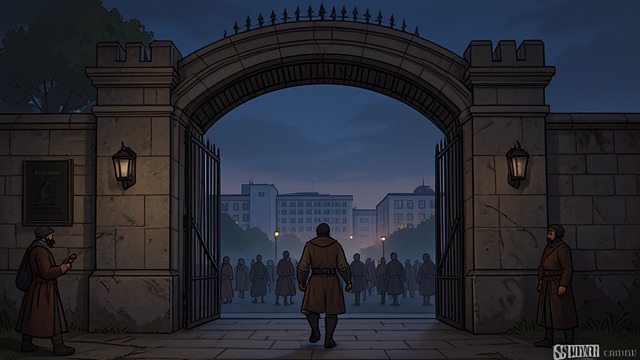
Crossing the Border
A physical threshold
Alice approaches a walled former monastery at dusk and enters through a guarded gate. The architecture separates the clinical offices and the residents’ world, making admission feel like crossing into another country.
A symbolic division
The iron gate marks Alice’s first loss of control. What she expects to be a temporary disguise becomes a boundary between her old identity and an institutional life she cannot easily leave.
A Border Within the Hospital
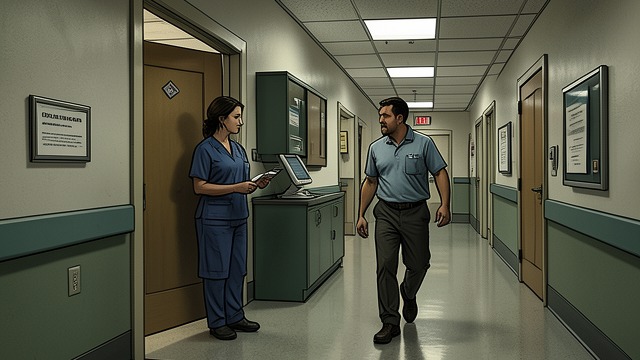
Inside and Outside
Different jurisdictions
The border separates administrative offices from residents, while ward doors distinguish ordinary life from intensive supervision. Permission cards and staff decisions determine who can cross these thresholds.
Freedom is conditional
Alice experiences the open regime as a privilege that can be withdrawn. The hospital’s architecture therefore makes the legal and emotional dimensions of liberty visible in daily movement.
Returning Across the Gate
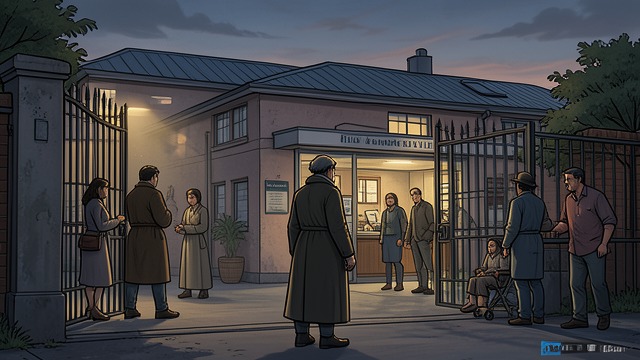
A Chosen Return
Reframing the place
After release, Alice sees the hospital not only as a site of confinement but as the home of people she loves and work she may wish to undertake. The same walls now contain a possible vocation.
No simple resolution
Her return does not erase the harm of involuntary detention. It shows instead that a place can be both unjustly restrictive and deeply meaningful to those who live and care within it.
On the evening Alice first arrives
During Alice’s daily movement between wards
During Alice’s final journey back to Fuentecilla
